
How Do You Know When Your Horse Is Ready to Go Bitless?
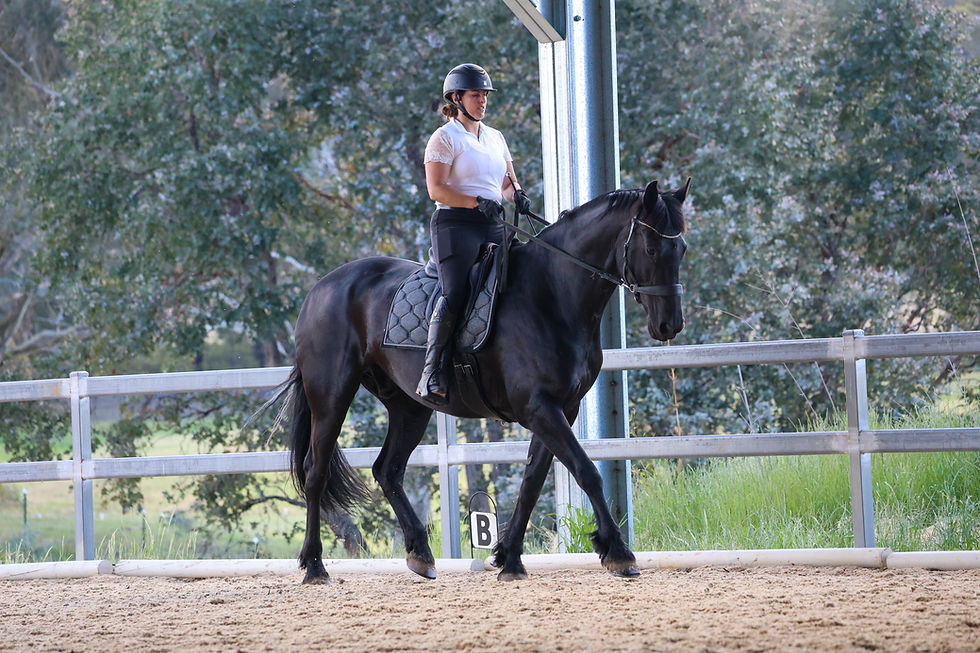
Setting up for a Smooth Transition with Confidence and Clarity
Switching to a bitless bridle or sidepull can be a fantastic way to improve communication and comfort for your horse—but timing and preparation are everything. So, how do you know your horse is ready? And what exercises can help set the stage for success?
Signs Your Horse Is Ready
Before you ditch the bit, check for these indicators, when ridden/under saddle:
Softness in the poll and jaw – Your horse should yield without resistance.
Consistent steering and stopping off seat and body aids – If you rely heavily on rein pressure, bitless will feel harder.
Calm, confident responses to pressure and release – No bracing or rushing when cues change.
Emotional stability – A horse that panics under new sensations isn’t ready yet.
Leading with clarity, softness and confidence – a horse that is able to lead off a rope halter and lead rope softly, attentively and confidently is a sure sign.
Pre-Transition Exercises
Think of these as your “readiness checklist”:
One-Rein Stop on Seat Cue: Practice halting from your seat (usually by slightly tilting your pelvis towards their hind quarters) and voice, using the rein only as a backup.
Lateral Flexion Without Resistance: Your horse should bend softly left and right with minimal rein input.
Yielding to Leg and Body: Can your horse move shoulders and hindquarters off your leg without pulling on the reins? This is key for steering bitless.
Transitions Within Gait: Walk-to-halt, halt-to-walk, and walk-to-trot using mostly seat/body and voice. Rein should be secondary.
Backing Up Lightly: A soft backup from seat and light rein pressure shows understanding of cues without relying on the bit.
Leading Tests: Able to back up softly, turn left and right, halt when asked, yield to any rope pressure softly and confidently, cast/walk away from you, walk/trot with soft rope cues and just generally be aware and attentive to your asks without tension, anxiety or brace. Want to check in on leading? Read more here.
Long-reining: Is your horse confident and comfortable long-reining in a cavesson/sidepull or rope halter? (Definitely master this first!) They need to be able to softly halt, back-up, hip yield both ways, walk forward softly and trot–all from the smallest of rope or voice aids.
Number 6 and 7 are the most important fundamentals that you and your horse must be able to do confidently.
Why These Matter
Bitless riding shifts the focus from rein control to whole-body communication. If your horse already understands these cues, the transition will feel natural rather than confusing.
How do I find the Right Cavesson/Sidepull/Bitless Bridle for my Horse
Definitely consider getting your bitless bridle fitted by a professional. If you are in the Canberra region you can book Susan of Free Flow Equine Therapies here.
Pro Tip
Start in a safe, enclosed area like a round yard. Use a sidepull or rope halter for the first few rides, and keep sessions short and positive. Remember: the goal isn’t just removing the bit—it’s building trust and clarity.


Comments