
Seat and Body Aids First, Reins Last: Why Your Horse Will Thank You
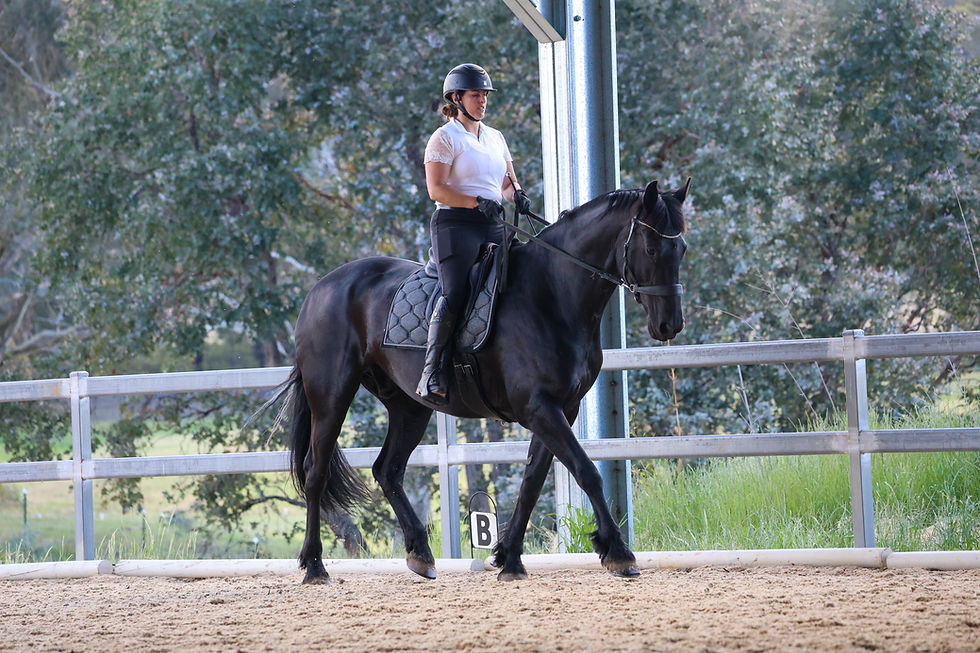
Seat First, Reins Last
At Lagoballo, my training mantra is simple: seat and body aids first, reins last. This approach transforms communication with your horse into a conversation of feel, not force. When we ride from the seat and body, we create harmony—when we ride from the reins, we risk tension.
Why This Matters
The reins should never be your first language. They are the punctuation, not the sentence. When riders rely on reins for control, horses often brace, hollow, or lose confidence. By prioritising seat and body aids:
You encourage self-carriage instead of dependency.
You build trust and softness through tone, not tension.
You develop a horse that responds to subtle cues, making riding effortless.
Linking to the 7-Point Seat
Your seat is your foundation. If you haven’t yet explored the 7-Point Seat, check out my detailed guide here.
Understanding each point of contact helps you:
Stabilise your torso without gripping.
Use weight shifts to guide direction and tempo.
Communicate through balance rather than pulling.
Softness with Tone: The Kindest Aid
Tone is the quiet strength in your body—the ability to stay engaged without rigidity. When tone meets softness, your horse feels supported, not restricted. This is the kindest way to ask for:
Transitions
Lateral movements
Collection and extension
Why Reins Come Last
Reins refine, they don’t define. They should:
Support, not control—used as a whisper, not a shout.
Follow the seat—never override it.
Maintain connection without tension—think elastic, not rigid.
When reins are the last aid, your horse learns to listen to your body first. This creates a partnership where both horse and rider move in harmony.
When Rein Aids Are Used—and How to Keep Them Kind
Reins are not the enemy—they’re a tool for refinement. When used correctly, they create a “handshake” feel between horse and rider: a soft, elastic connection that communicates, not dominates.

Why seek the handshake feel?
It reassures your horse without restricting them.
It allows subtle adjustments without tension.
It builds trust in the contact.
What to avoid:
Yanking or heavy hands—this causes pain and resistance.
Holding too tight—if your horse feels heavy in the contact, chances are you’re gripping. The solution? Soften your fingers and allow elasticity.
No contact or looping reins—Conversely full loops in the rein most of the time have no communication with the horse and can leave the horse constantly thinking (or even worrying) where they should be going.
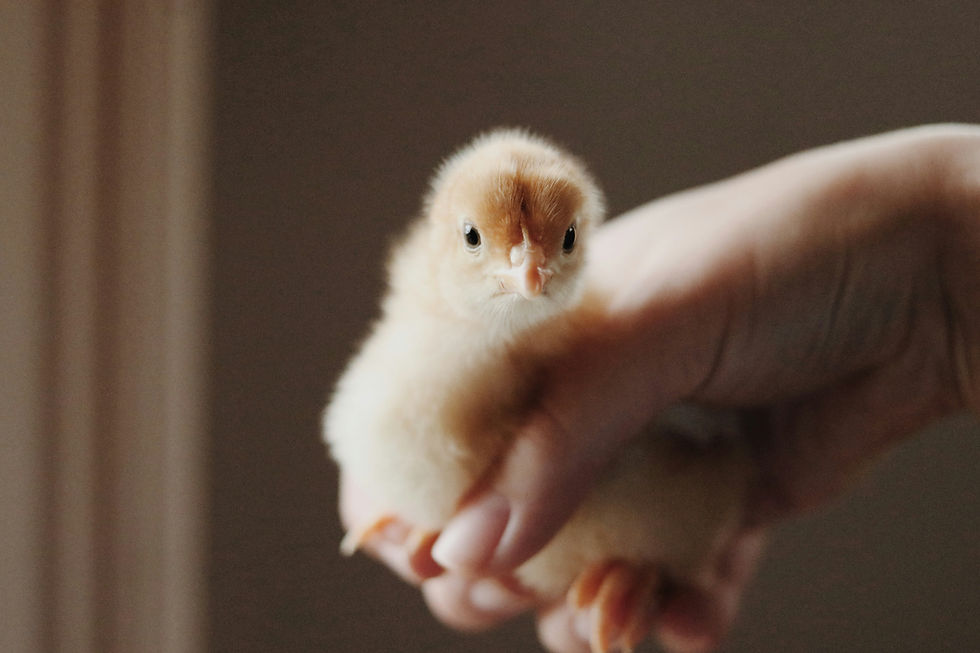
The easy test: If your horse is leaning on the reins, you’re probably holding on too much. Aim for a feel like carrying a baby bird—secure but gentle, never crushing. This creates a dialogue, not a tug-of-war.
Need Help In-Person with This
In the Canberra region? Book in a lesson now:


Comments