
Creating a Safe and Comfortable Stable Environment

Things to Consider if your Stable Your Horses
Creating a safe and comfortable stable environment for your horse is crucial for their well-being and performance. A well-designed stable not only enhances the horse's quality of life but also makes it easier for owners to manage their care. Below, you'll find valuable tips on stable design, maintenance, and how to create the perfect environment for your equine friend.
Importance of a Safe and Comfortable Stable
A safe stable is more than just a shelter. It protects your horse from the elements and helps prevent injuries. Some research shows that horses are less stressed in safe environments, leading to better mental and physical health. A comfortable stable also aids in recovery if your horse is injured or ill. Additionally, spending time in a well-maintained environment reduces the risk of behavioral issues stemming from stress or discomfort.
Key Elements of a Horse-Friendly Stable
When designing a stable, it's crucial to consider the following elements:
1. Space
The layout of the stable is fundamental. Each horse should have enough space to move freely without feeling cramped. A general guideline is to provide at least 4m x 4m per horse in their stall. If you have larger breeds, consider increasing the space to 6m x 6m. In addition to stall/stable size, your stable block/barn should have wide aisles (at least 3m wide) for easy movement. Another consideration is outside yards off the stables so you can allow the horse to move more and reduce medical issues from being stagnant/still.
2. Ventilation
Proper ventilation helps maintain air quality and temperature. Stagnant air can lead to respiratory issues in horses. Cross-ventilation systems, such as windows and vents, allow fresh air to circulate. Use fans if necessary, especially in hot climates. Make sure to keep stalls free of ammonia buildup from waste, as this can irritate your horse's lungs.
3. Flooring
The flooring in your stable should be soft yet durable. Options include rubber mats, deep bedding, or a combination of both. Rubber mats provide cushioning while being easy to clean. Bedding, like straw or sawdust, should be regularly cleaned and replaced to ensure comfort and hygiene.
4. Safety Features
Prioritise safety in your stable design. Use rounded corners on stalls and avoid sharp edges that can cause injuries. Ensure that all gates and latches are sturdy and secure. Install non-slip flooring and keep the area well-lit to prevent accidents at night. Ensure drainage and water access is catered for.
5. Accessibility
Ensure both humans, vehicles and horses have good access to all the areas. Also consider how the areas function (i.e. have the tack room near the tack up bays and feed room near the stalls/stable area). You might also want to consider what vehicles need access to the areas such a feed/hay delivery trucks, float/trailer turn around/loading points and so on.
Maintenance for Optimal Conditions
Once you've set up your stable, maintaining it is essential for the occupants' safety and comfort. Here's a step-by-step guide to keep everything in check:
Daily Routine
Feeding: Ensure fresh water and hay are available. Clean feeders and buckets regularly.
Cleaning: Remove waste at least once a day. In addition, clean stalls thoroughly at least once a week.
Bedding Maintenance: Spot clean daily and add new bedding as needed.
Health Checks: Observe your horse’s behavior daily. Look for signs of distress or illness.
Weekly Maintenance
Deep Cleaning: Strip stalls down to the bare floor for deep cleaning. Use a disinfectant suitable for equine environments. This may include removal of wet bedding and the use of lime to help with ammonia build-up.
Equipment Check: Inspect saddles, bridles, and other gear. Replace worn or broken equipment to avoid accidents.
Ventilation Maintenance: Clean vents and fans to ensure optimal air circulation.
Monthly Checks
Drainage: Inspect drainage systems in and around the stable. Ensure there are no blockages to prevent festering water.
Pest Control: Monitor for pests regularly. Use safe and horse-friendly pest control methods if required.
General Repairs: Fix any damages to stalls, gates, or fencing promptly to maintain safety.
Seasonal Considerations
Different seasons can bring varied challenges. In winter, check for insulation and ensure water sources do not freeze. In summer, focus on pest control (including removal of spider webs, and spraying for insects) and adequate shade and cooling.
Choosing the Right Products
Investing in the right products can greatly enhance your stable's safety and comfort. Here are some essentials:
Horse Bedding: Consider high-quality straw or a specialized bedding product that absorbs moisture effectively.
Cleaning Supplies: Choose disinfectants safe for equines, such as hydrogen peroxide-based cleaners.
Water and Feed Troughs: Look for heavy-duty troughs that won't tip easily.
Stable Fans: The right fans can make a significant difference in airflow and comfort during hot weather.
Pros and Cons of Stable Designs
Understanding the pros and cons of different stable designs can help you choose the best option for your horse:
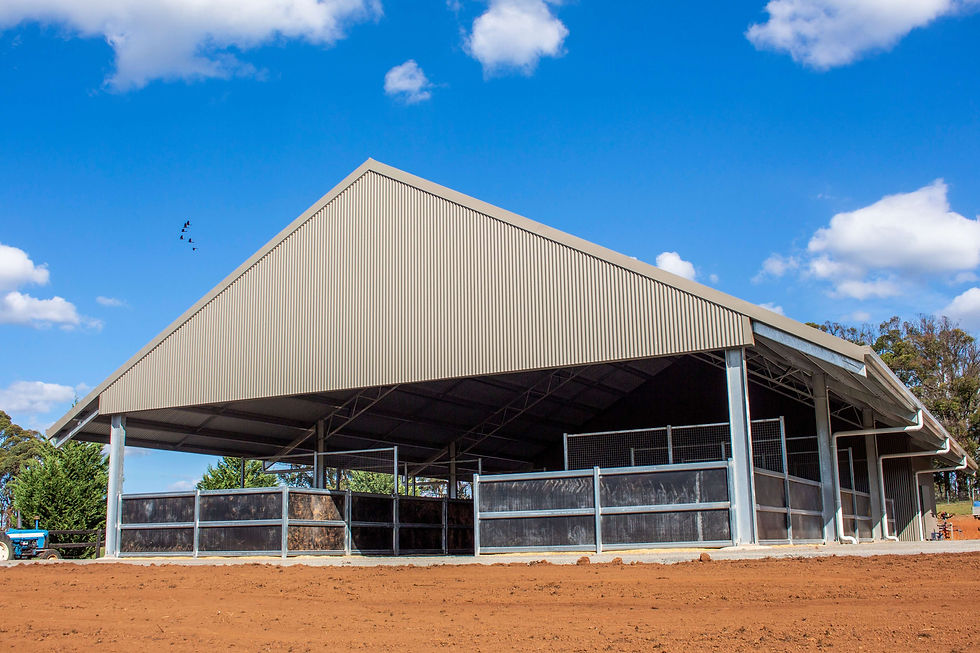
Traditional Barn Style
Pros
Simple design, easy to clean.
Often more affordable to build.
Cons
Can be harder to ventilate.
Less flexibility in stall sizes.
Open-Corner Stalls

Pros
Better ventilation.
More natural light enters.
Cons
More exposed to elements.
Requires more maintenance
Modular Stables

Pros
Can be customized to fit your specific needs.
Easy to expand or reconfigure.
Cons
Generally more expensive.
Higher installation costs.
Final Thoughts on Stable Environment
Designing and maintaining a safe and comfortable stable environment for your horse takes time and effort, but the benefits are immeasurable. By focusing on elements such as space, ventilation, and safety, you'll create an efficient environment that promotes your horse's well-being. Employing a solid maintenance routine will ensure that your stable remains a haven for your beloved equine companion.
With the right initiatives and investments, you’ll create an inviting place where horses can thrive, ensuring they are as happy and healthy as possible. Choose quality products and be diligent in your maintenance, and you can confidently provide the best care for your horses in their stable.
Remember, a safe and comfortable stable environment is a top priority for every responsible horse owner.
Safeguard your equine friends and optimise their living space today!


Comments