
Weed Management in Horse Paddocks: A Practical Guide for Safer Grazing
Healthy pasture isn’t just about good looks — it’s your first line of defence against toxic weeds, metabolic upsets, photosensitisation, and neurological syndromes like Australian stringhalt. This guide covers how to prevent and control weeds, when to spray vs when to hand‑pull, how to use Grazon effectively, and how to identify the most dangerous weeds for horses in Australia (with pictures and trusted references).
Why Weed Control Matters to Horse Health
Toxin risks rise in stress years. Drought, overgrazing, flood recovery, and seasonal feed gaps push horses to nibble unpalatable plants they’d normally avoid, raising the risk of poisoning and cumulative organ damage.
Flatweed (false dandelion) & stringhalt. Outbreaks of Australian stringhalt have been repeatedly linked to pastures dominated by false dandelion (Hypochaeris radicata/flatweed), particularly in dry, feed‑limited conditions.

Impact to fencing. Some weeds may grow tall and impact fencing (including shorting electric fences), making them less useful and increasing risks of injury to horses.
Drought + sudden rain periods. Dangerous time where weeds will grow quickly and dominate pastures. Increasing risks to equine health.


The Golden Rules of Prevention
Keep groundcover up, weeds down. Maintain a leafy sward (aim not to graze below ~5 cm) and rest/rotate paddocks so desirable pasture out‑competes weeds. Overgrazed paddocks invite broadleaf weeds (e.g., capeweed) and toxic species to dominate.
Inspect regularly & act early. Walk the fencelines, gates, troughs, and disturbed spots after rain events or feed changes; early rosette or seedling control is easier and safer.
Feed quality roughage year‑round. Many poisonings occur via contaminated hay or when there’s no grass alternative. Check bales and never leave mower clippings where horses can eat them.
When to Spray and When to Hand‑Pull
Hand‑pulling (best for isolated plants, small patches, sensitive areas)
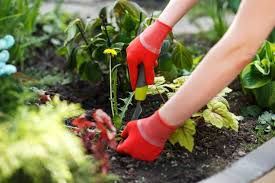
Use a long‑handled extractor to remove the whole taproot on rosette weeds (flatweed, dandelion, capeweed) and to lever out crown‑forming toxics like ragwort and St John’s wort seedlings. I love the Fiskars Xact 4‑Prong Weed Puller — it’s sturdy and saves your back!

Bag and bin flowering or seeding plants; many species can still set seed after being uprooted. (Fireweed and ragwort are notorious.)
Ideal after rain/irrigation when soil is loose; follow with pasture over-sowing in bare spots to prevent reinvasion.
Spraying (best for broad outbreaks or hard‑to‑hand‑pull species)
For broadleaf weeds in horse pastures, many managers use Grazon® Extra (triclopyr + picloram + aminopyralid) on label‑listed species. Always read and follow the label: restraints (e.g., don’t spray if rain likely within 1 hour), application methods, and hay/silage intervals (e.g., don’t make hay/silage for 6 months after treatment) are critical.
Horse safety on spray day:
Remove horses from the area while you spray.
Return only once the spray deposit is dry as a prudent safety practice, and never before label re‑entry conditions are met. (Labels set the legal standard; some include specific crop‑use or fodder restrictions.)
Target weeds at their most susceptible growth stage (e.g., rosette/early bolt for many broadleaf's; actively growing, non‑stressed plants).
Tip: Combine methods — spray the broad infestation, then hand‑pull survivors a few weeks later and reseed bare patches. That integrated approach is what keeps paddocks clean long‑term.
Using Grazon (Grazon® Extra) Around Horses — Safety Checklist

Before spraying
Walk the paddock, flag target weeds, check the forecast (no rain within 1 hour), and mix only what you’ll use.
During spraying
Keep horses out of the treatment area. Wear PPE as per label (overalls, gloves, eye/face protection).
After spraying
Wait until spray has dried on foliage before returning horses as a conservative, best‑practice step.
Respect label restrictions: e.g., no hay/silage from treated pastures for 6 months; follow any local biosecurity obligations.
Pasture program
Re‑inspect at 4–6 weeks; hand‑pull or re‑treat escapes; overseed where weeds left bare soil.
Important: Herbicide labels are the legal authority — if in doubt, your vet and local weeds officer can advise on horse‑safe timing in your region.
Toxicity Conditions: What Weeds Can do to Horses
Pyrrolizidine alkaloids (PAs): chronic liver damage leading to weight loss, photosensitisation, and neurological signs; found in ragwort (Senecio spp.), fireweed (Senecio madagascariensis), heliotrope (Heliotropium spp.), and Paterson’s curse (Echium plantagineum). Damage often appears weeks to months after exposure.
Phototoxins (hypericin): photosensitisation (painful sun‑induced dermatitis) from St John’s wort (Hypericum perforatum); risk rises in spring–summer as flower stems develop.
Neuromuscular effects: Australian stringhalt associated with false dandelion (flatweed)–dominant pastures in dry conditions.
Cardiac glycosides: Cape tulip is highly toxic (all parts, fresh or dry) and can be lethal; horses are susceptible.
Photo Guide: Weeds Dangerous to Horses in Australia
Click through the links for full ID photos and management notes from Australian government and veterinary sources.
1) False dandelion / Flatweed (Hypochaeris radicata) — linked to stringhalt
ID & images: PlantNET – NSW Flora Online, Lucid (Plants of SE NSW)
Health note: Pasture‑associated Australian stringhalt outbreaks linked to flatweed‑dominant paddocks in dry seasons.
2) Paterson’s curse (Echium plantagineum) — PA liver toxin
ID & image: NSW WeedWise profile & gallery
Health note: Causes cumulative liver damage; horses highly susceptible; risk rises when it dominates feed.
3) Fireweed (Senecio madagascariensis) — PA liver toxin
Images: NSW WeedWise photo 1, photo 2
Health note: All parts toxic; poisoning often via contaminated hay or feed scarcity.
4) Ragwort (Senecio jacobaea/Jacobaea vulgaris) — PA liver toxin
Vet overview & signs: Mad Barn review, HorseDVM profile
5) Heliotrope (Heliotropium europaeum and related) — PA liver toxin
Toxicity overview: Merck Veterinary Manual (PAs), HorseDVM – Heliotrope
6) St John’s wort (Hypericum perforatum) — phototoxic (hypericin)
ID & NSW management: NSW WeedWise
Health note: Causes photosensitisation, especially white/pink skin, with risk peaking in flowering periods.
7) Cape tulip (Moraea flaccida/miniata) — cardiac glycosides, highly toxic
ID & risks: NSW WeedWise – one‑leaf, HorseDVM
More comprehensive references: NSW Government’s poisonous plants portal and AgriFutures’ Australian field guide provide broader lists and ID aids. [nsw.gov.au], and my favourite place to look, and get a good understanding of all flora toxic to horses is: Plants poisonous to livestock | NSW Government
A simple, Season‑by‑Season Plan

Autumn: After opening rains, scout for new rosettes/seedlings (fireweed, capeweed, flatweed). Spot‑spray or hand‑pull, then overseed bare patches.
Winter: Maintain grass cover; rotate grazing; keep hay up if growth is slow; continue rosette control.
Spring: Pre‑flower push — treat Paterson’s curse, fireweed, St John’s wort before peak seeding/phototoxic risk.
Summer: Monitor for toxic plant residues in hay; watch for photosensitisation and delayed PA toxicity signs; call your vet early.
Best Practices for Paddock Rotations (and How to Set Yours Up Effectively)

A well‑planned paddock rotation system not only protects your pasture from overgrazing but also dramatically reduces weed burdens, improves soil health, and gives you predictable windows for safe spraying and hand‑weeding. Overgrazing is a major driver of weed invasion and soil degradation on horse properties, making rotation one of your most powerful management tools.
Why Rotations Matter
Prevents overgrazing: Horses tend to graze unevenly and repeatedly on preferred patches, reducing ground cover and allowing broadleaf weeds like capeweed, fireweed, and Paterson's curse to establish.
Improves pasture diversity: More plant species = healthier soil, better competition against weeds, and reduced reliance on herbicides long‑term.
Creates perfect weed‑control windows: Rested paddocks can be safely sprayed, over-sown, or hand‑weeded without horses present.
Example Rotation Plan
Here’s a simple 6‑week rotation cycle for three paddocks (A–C):
Week | Paddock A | Paddock B | Paddock C |
1 | GRAZE | Rest | Rest |
2 | Rest | GRAZE | Rest |
3 | Rest | Rest | GRAZE |
4 | Weed control & over-sow | Rest | Rest |
5 | Rest | Weed control & over-sow | Rest |
6 | Rest | Rest | Weed control & over-sow |
What to do if you Suspect a Toxicity
Remove access immediately, pen in shade (for photosensitisation), and call your vet.
Expect delayed‑onset signs with PA plants (ragwort, fireweed, heliotrope, Paterson’s curse): weight loss, behaviour change, head‑pressing, jaundice, photosensitivity — these may appear weeks or months post‑exposure.
Wrap‑up
The safest paddocks are well‑covered, well‑rested, rotated and well‑scouted. Use hand tools for singles and small patches, Grazon on‑label for broad infestations, and reseed bare ground. Combine that with good hay and smart rotation and you’ll drastically cut the risk of toxic exposure — and protect your horses’ livers, skin and nerves for the long haul.


Comments