
Floating Your Horse Long Distances: A Comprehensive Guide and Checklist for Effective Preparation and Stress Reduction
Updated: Oct 25, 2025
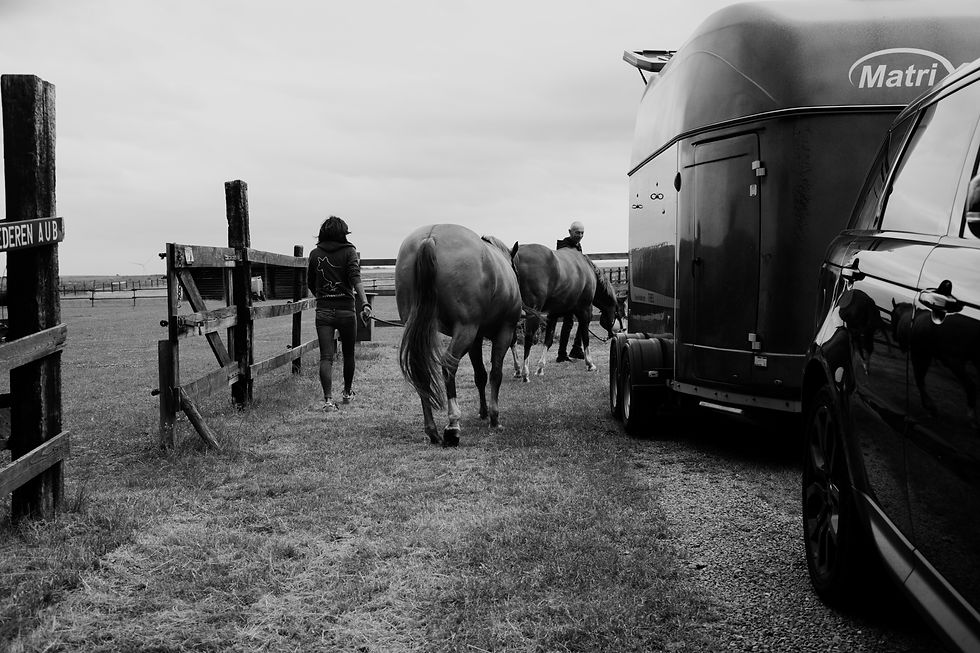
Having recently undertaken an extended float trip with both an experienced horse and a youngster—previously longest journeys just over three hours—I am sharing a structured guide to facilitate your planning process for longer float trips or travelling with horses. This resource is designed to support both you and your horse(s) by reducing stress and ensuring thorough preparation.
This comprehensive checklist covers preparations for:
Float/trailer
Towing vehicle
Horse(s)
Humans
Feel free to adapt this guide, recognising that individual needs may vary depending on your specific circumstances and your horse's requirements.
Month (or two) Before

Float Preparations
Conduct a deep clean and inspect for necessary repairs; address any issues promptly.
Ensure your rakes, shovels are any items are secured down properly so that they aren't loose.
Confirm permitted parking areas at the clinic/event, including access to power if required.
Schedule and complete float servicing, including battery testing, before departure.
Towing Vehicle Preparations
Arrange for a full service of the towing vehicle; have contingency plans should major repairs be needed. Test the vehicle battery.
Check and replace car key batteries as necessary; pack a spare set.
Human Preparations
Review medication supplies and refill prescriptions as needed; schedule medical appointments if required.
Finalise accommodation bookings and complete all related payments and paperwork (such as waivers) for clinics/events.
Ensure adequate riding apparel; order replacements if necessary.
Familiarise yourself with available human-related facilities at the clinic/event.
Horse Preparations
Schedule sessions with a bodyworker, chiropractor, or physiotherapist for your horse(s).
Prepare all necessary State-required Transport Stock Statement (TSS) paperwork (direct link for NSW residents).
Complete multiple float-loading training sessions.
Review vaccinations and dental care; arrange these services if due.
Book a farrier appointment, ideally within a week prior to departure.
Check all tack.
Check equine first aid kit and restock items as required.
Verify available horse-related facilities at the clinic/event location.
Week Before

Float Preparations
Check and inflate all tyres (including spares).
Test all lights and replace bulbs where needed.
Towing Vehicle Preparations
Check and inflate all tyres (including spares).
Refill windscreen washer fluid and clean the vehicle.
Pack torches/camping lights (with chargers), rechargeable tyre inflator, baby wipes, scissors or baling twine cutting knife.
Human Preparations
Plan meals and purchase groceries.
Begin packing luggage.
Clean and ready bedding (swag/stretchers/sleeping bags etc.).
Map out the travel route, identifying safe stopping points for horses.
Check if there are any major events, roadworks on your route.
Horse Preparations
Introduce extra salt, electrolytes, and ulcer protection into feeds.
Administer travel calmers if necessary.
Identify local produce stores and equine veterinarians along the route; save their contact details.
Limit intense training; prioritise short, effective workouts.
Confirm farrier visits are completed.
Day Before Departure

Float Preparations
Lay slightly dampened sawdust in the float.
Hang pre-filled hay bags for horses.
If feasible, connect the float to the towing vehicle.
Towing Vehicle Preparations
Refuel the vehicle.
Pack a jack for the float, jerry cans of horse water, water and feed buckets, shavings, hay, or additional horse feed as required.
Ensure your combined towing weights do not exceed your vehicles capacity (watch this space for a deep-dive on what this is).
Human Preparations
Load fridges/coolers with food into the float/vehicle.
Pack rubbish bags and the human first aid kit.
Gather all clothing, medicines, toiletries, and bedding (including "she wees").
Fill water bottles and place them in the vehicle.
Print directions as a backup in case of connectivity issues.
Organise notetaking materials and devices (with chargers and extra batteries).
Ensure all devices are fully charged and pack necessary riding apparel, considering extras.
Go to bed nice and early, double check your alarm is set.
Horse Preparations
Provide a light workout to assess soundness.
Wash / groom horse(s) and rug for protection, as appropriate.
Clean and load all tack.
Pack necessary rugs, prepared feed (including at least one extra day's supply), grooming kits, water containers, and tack (saddle, girth, bridle, saddle pads, boots, martingale, whips etc., considering spares).
Ensure the equine first aid kit is packed and bring treats, extra lead ropes, and halters.
Administer calming or travel-specific supplements as needed.
Day Of Departure

Float Preparations
Attach float to towing vehicle if not already done.
Open all windows / vents and prepare for loading.
Pack cleaning tools (fork, pooper scooper, broom, shovel) and a mounting block if needed.
Towing Vehicle Preparations
Bring a spare set of keys.
Check all lights when connected to the float.
Carry finalised TSS forms in the vehicle.
Drive cautiously; a steady approach ensures your horse(s) arrives calm and refreshed. In Australia, I recommend not travelling faster than 100km/hr due to wind, steering and weight implications to reduce the risk of fish-tailing or oversteering issues.
Human Preparations
Pack luggage and snacks/drinks for the journey.
Have a meal before departure; pack additional medications.
Go to the bathroom!
Horse Preparations
Offer hay and/or wet hard feed before loading.
Do this first so you can complete the other items whilst feeding.
Pick out hooves and fit float/travel boots and travel-appropriate rugs (generally unrugged for long distances).
Put on fly veils for added eye protection from debris coming in through windows/vents.
Schedule breaks to offer water and top up hay as necessary. Some choose to unload, walk, and allow grazing during stops.
Upon Arrival

Float Preparations
Clean out float to remove poop and gunk.
Unhook, and secure, if vehicle use is required.
Towing Vehicle Preparations
Complete and store TSS forms.
Human Preparations
Set up accommodation and take time to eat, drink, and relax.
Horse Preparations
Unload, remove travel boots, and walk the horse for approximately 20 minutes.
Allow time for acclimatisation in paddock/yard/stable.
Provide fresh hay, feed, water, and groom/rug as preferred.
Day Before / Day of Return

Float Preparations
Attach to towing vehicle and prepare windows/vents if not already done.
Pack up accommodation, reload the float, and lay fresh shavings.
Towing Vehicle Preparations
Refuel and repack the vehicle.
Confirm all equipment (tack, buckets, grooming kits, rugs, feed) is loaded.
Human Preparations
Pack luggage, snacks, and drinks.
Eat prior to departure; pack extra medications and use restrooms in advance.
Horse Preparations
Provide hay/wet feed before loading.
Do this first so you can complete the other items whilst feeding
Pick out hooves, fit float/travel boots and suitable rugs (if required).
Take breaks for water and hay, walking and grazing as desired.
Conclusion
It is always preferable to be over-prepared rather than under-prepared. Early, diligent planning reduces stress and promotes a safe, smooth journey for you and your horses. Allow ample time for transit, as driving carefully helps horses balance through corners, bumps, and braking, resulting in a calmer arrival. Please share any additional insights or practices in the comments that could benefit others.
Let me know if there are any other considerations you take that might benefit others in the comments.


Comments